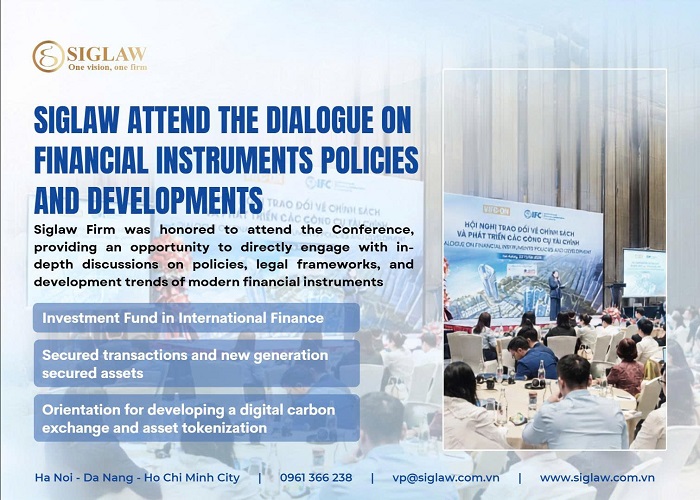
The International Finance Corporation (IFC) is an international development finance institution focused on mobilizing capital and promoting private sector investment in emerging markets to achieve sustainable development goals such as poverty reduction, social inclusion, and climate change mitigation. IFC not only provides direct investment but also delivers advisory services, risk-sharing instruments, and financial structuring solutions for projects with significant development impact
IFC Operational Standards
IFC’s major investment strategies are regularly updated in its annual Strategy and Operations Reports and are closely aligned with global sustainable development goals, particularly commitments to emissions reduction and financial support for clean energy, infrastructure, and inclusive finance. Therefore, unlike conventional commercial loans, IFC investments are subject to strict legal and compliance requirements.
Environmental and Social Performance Standards
IFC applies eight core Performance Standards that investee companies must comply with, including but not limited to:
Labor and Working Conditions
Resource Efficiency and Pollution Prevention
Community Health, Safety, and Security
Land Acquisition and Involuntary Resettlement
Biodiversity Conservation and Sustainable Management of Living Natural Resources
Cultural Heritage
Financial Intermediaries
Requirements:
Companies must conduct risk assessments, develop impact mitigation plans (avoidance, minimization, remediation, and compensation), and disclose information in a transparent and comprehensive manner.
Environmental, Health, and Safety (EHS) Guidelines
Companies are required to establish comprehensive Environmental and Social (E&S) risk management systems, ensure information disclosure, and conduct community consultations to promote sustainable project development and minimize adverse impacts. The EHS Guidelines apply to specific projects and are used in conjunction with the Performance Standards to ensure acceptable levels of environmental and social performance.
Environmental and Social Management System (ESMS)
Companies must establish an ESMS to monitor and comply with IFC’s E&S requirements. This system enables the identification, assessment, and mitigation of environmental and social risks associated with projects, including the establishment of grievance mechanisms for affected communities. Transparency, accountability, and compliance with IFC’s Environmental and Social Performance Standards are mandatory.
Practical example:
If a financed project poses risks of noise pollution or livelihood disruption to local communities, the ESMS requires the project to conduct impact assessments, install noise mitigation equipment, notify affected communities, and establish a grievance hotline to receive feedback. All complaints must be recorded, investigated, and adequately resolved, potentially including compensation or project design adjustments.
IFC’s Key Priority Investment Sectors
Climate Finance and Renewable Energy
IFC is a global leader in financing climate solutions that generate both environmental benefits and financial returns, including:
Development of clean energy (solar, wind, hydrogen)
Financing smart cities and green infrastructure
Supporting carbon credit markets and green bonds
In Vietnam, IFC has invested in the country’s first green bond issued by a commercial bank to promote climate finance and expand SME lending. IFC also partners with major banks to develop green investment portfolios supporting emissions reduction and green economic growth, including wind power, solar power, waste-to-energy projects, and energy storage solutions.
Practical example:
IFC has provided green transition loans to major banks such as VPBank and TPBank, which then on-lend to corporate green projects.
Sustainable Agriculture and Food Safety
Agriculture is not only a strategic sector for food security but also a priority area for IFC due to its significant impact on livelihoods, poverty reduction, and productivity. IFC supports large agribusinesses and key export commodities (such as coffee and pepper) as well as the development of agricultural commodity exchanges.
Accordingly, IFC focuses on modernizing agricultural value chains by:
Supporting end-to-end value chains from cultivation to processing and distribution
Investing in low-risk projects that increase output, reduce post-harvest losses, and promote exports
Encouraging the integration of climate adaptation measures in agricultural production
Example:
IFC prioritizes projects that reduce emissions in livestock and crop production. Investments in Mavin Group and BaF aim to enhance safe and sustainable livestock farming standards in Vietnam.
Infrastructure and Logistics
In the context of the digital economy, IFC is increasing investments in broadband infrastructure, data centers, and modern warehousing facilities. Priority areas include:
Energy: development of low-cost power supply, renewable energy, smart grids, and energy efficiency solutions
Transportation: ports, airports, roads, and railways that reduce logistics costs, create jobs, and promote trade
Water, wastewater, and waste management: upgrading essential infrastructure for communities and businesses
Telecommunications and digital connectivity: supporting digital infrastructure and narrowing the digital divide in emerging markets
These projects not only promote socio-economic development but also create opportunities for Public-Private Partnership (PPP) contracts—an internationally protected investment mechanism that enables risk sharing between the public and private sectors to address infrastructure challenges.
Finance and Capital Markets
IFC supports the development of green/blue bond markets, sustainable finance instruments, digital payments, and blockchain solutions, while helping financial institutions improve green and ESG standards.
Working within international financial frameworks and high ESG standards, IFC enhances credibility and attracts additional global capital. IFC invests in banks, microfinance institutions, and private equity funds to:
Increase access to finance for micro, small, and medium-sized enterprises (MSMEs)
Develop local capital markets, including green and sustainability bonds
Support climate finance programs through ESG-linked bond issuance, as seen in Vietnam, promoting sustainable and inclusive finance
Investment in Healthcare, Education, and Social Services
Although not the largest in terms of capital volume, healthcare, education, and social services receive significant attention from IFC due to their long-term impact on human capital and sustainable development. Investments in these sectors typically involve industry association standards and consumer protection measures aligned with human development and equity objectives.
Green Real Estate Investment through EDGE Certification
In real estate, IFC prioritizes projects that demonstrate the ability to reduce carbon footprints and optimize resource efficiency. Developers are required to integrate EDGE standards from the early design stage. Modifying designs to meet green standards after construction permits have been issued is often costly and inefficient.
Therefore, companies should establish dedicated ESG teams or engage independent consultants to monitor compliance with environmental commitments throughout the construction process.
Strategic Recommendations for Vietnamese Enterprises
From the legal advisory perspective of Siglaw, the following strategies are recommended:
Optimizing Legal Frameworks to Attract Capital
Strengthening green investment and ESG regulations to align with IFC’s international standards
Offering tax incentives and preferential treatment for green and sustainable projects to enhance attractiveness to global investors
Enhancing Public–Private Partnerships (PPP)
IFC consistently prioritizes PPP models due to their risk-sharing capacity, transparency, and international-standard project governance. Companies should structure project documentation to meet bankability and financing assessment criteria.
Developing Green Capital Markets and Inclusive Finance
Encouraging issuance of ESG, green, and climate bonds
Supporting MSMEs’ access to capital through preferential financing instruments
This is no longer an option but a prerequisite.
Recommendation:
Companies should conduct legal due diligence on environmental and labor compliance before engaging with IFC to avoid conflicts with IFC’s Performance Standards.
Key impact questions include:
How many jobs does the project create?
How many tons of CO₂ emissions are reduced?
How much does it improve farmers’ incomes?
IFC prioritizes projects with broad social spillover effects.
Prioritizing Technology and Innovation
Projects leveraging advanced technologies in clean energy, supply chain digitalization, or FinTech are more likely to attract IFC funding due to their strong growth potential and measurable social impact.
Standardizing Corporate Governance Systems
IFC does not only invest in projects—it invests in people and systems. Companies are expected to enhance financial transparency in line with IFRS and establish robust internal control mechanisms.
Conclusion from Siglaw
In summary, IFC focuses on sectors with high growth potential, positive sustainable development impact, and contributions to the modernization of Vietnam’s financial system.
IFC’s priority investment sectors emphasize not only financial returns but also sustainable development objectives, international legal compliance, and significant social impact. For enterprises and investors, understanding these strategic areas and aligning projects with ESG criteria opens access to international capital under the most favorable conditions.
If you have a potential project and wish to assess its compatibility with IFC standards, Siglaw is ready to support you through legal due diligence and project structuring in accordance with international standards—helping your business build competitive advantages and attract green investment capital.
For detailed consultation, please contact Siglaw Firm:
Head Office in Hanoi: No. 44/A32 – NV13, Area A Geleximco, Le Trong Tan Street, Tay Mo Ward, Hanoi, Vietnam.
Email: vphn@siglaw.com.vn
Southern Branch: No. 103 – 105 Nguyen Dinh Chieu Street, Xuan Hoa Ward, Ho Chi Minh City, Vietnam.
Email: vphcm@siglaw.com.vn
Central Branch: VIFC DN – ICT Building, Software Park No. 2, Nhu Nguyet Street, Hai Chau Ward, Da Nang, Vietnam.
Hotline: 0961 366 238
Facebook: https://www.facebook.com/hangluatSiglaw