From December 19 to 22, 2025, at the Dahan Kou Digital International City in Wuhan City, Hubei Province, China, the 2025 National Science Enterprise Roadshow – Manufacturing & Finance Going Global Conference was held with the participation of numerous regulatory authorities, science and technology experts, financial institutions, high-tech enterprises, and international partner delegations.
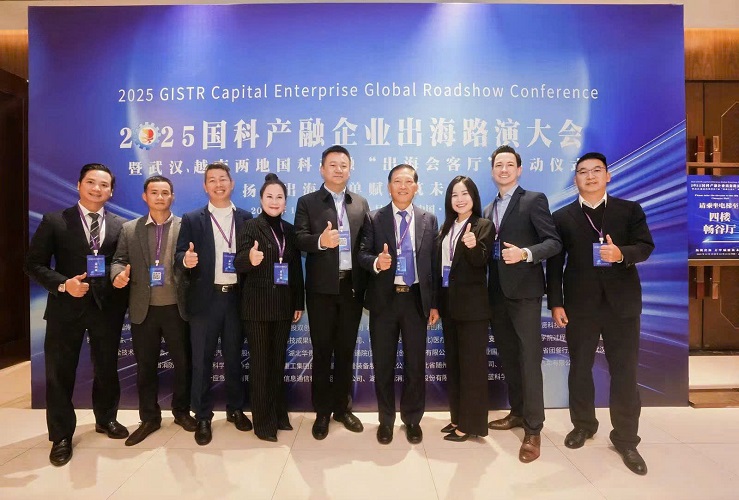
The conference was not only a platform for connecting technology and markets, but also opened an in-depth forum for discussion on high-quality human resources, knowledge transfer, and the role of higher education institutions within the ecosystem of innovation and international investment.
Remarks from the Perspective of University Governance and Education Law
Within the framework of the conference, Dr., Lawyer Le Thi Dung – Vice President of Dong Do University, in charge of legal affairs in higher education – delivered a speech and engaged in in-depth discussions with Chinese enterprises, science and technology organizations, and investors on the role of Vietnamese higher education in supporting technological cooperation and international investment.
From the perspective of a university leader and legal expert, Dr. Le Thi Dung emphasized that Vietnam is entering a new stage of development in which higher education institutions are not only places of teaching and training, but also active participants in applied research, technology transfer, and the provision of human resources for foreign-invested projects.
The speech clearly analyzed the advantages of Vietnam and its higher education system, including a stable political and social environment, a young student population, strong capacity for rapid technology adoption, and an increasingly well-developed legal framework for cooperation in education, research, and investment in the fields of education, science, and technology.
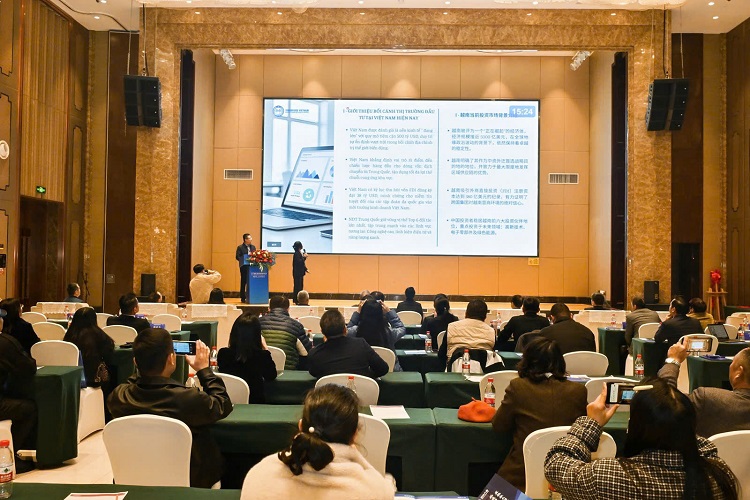
Higher Education – A Bridge for Chinese Investors into Vietnam
Drawing on her experience in legal governance in higher education, Dr. Le Thi Dung shared with Chinese partners a number of feasible cooperation models, including:
- Joint training programs and dual-degree arrangements;
- Research and development (R&D) cooperation aligned with business needs;
- Establishment of innovation centers and joint laboratories;
- Connecting enterprises with students and faculty in the implementation of practical, real-world projects.
In particular, her role as Vice President in charge of legal affairs helps ensure that these cooperation models are designed on a solid legal foundation, with clear and transparent rights and obligations, effective protection of intellectual property rights, and compliance with modern university governance standards—factors that are highly valued by investors and international partners.
Launch of SinoBridge Vietnam – Expanding the Space for Academic and Investment Cooperation
At the conference, SinoBridge Vietnam was officially introduced as a platform for connecting economic and technical cooperation between Vietnam and China. Within this framework, higher education and high-tech human resource training were identified as key pillars of collaboration.
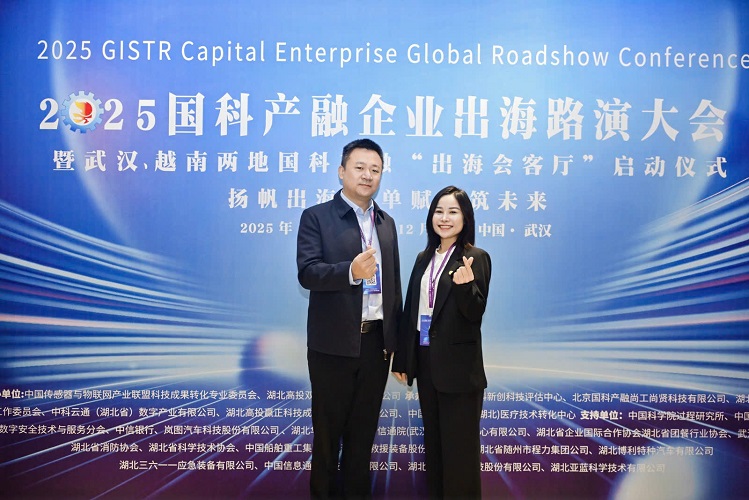
With the dual roles in university governance and legal advisory, Dr. Le Thi Dung emphasized that SinoBridge Vietnam will serve as a bridge to support universities, research institutes, and enterprises of both countries in:
- Connecting academic partners;
- Implementing joint training and research programs;
- Providing legal support and cooperation structuring for education–technology–investment projects.
Insights from the Perspective of Higher Education Governance
The 2025 National Science Roadshow Conference demonstrates that China–Vietnam cooperation is strongly shifting toward an integrated model combining technology, investment, and higher education, in which universities play a central role in providing knowledge, human capital, and long-term solutions.
From her perspective as Vice President in charge of legal affairs in higher education, Dr. Le Thi Dung emphasized that proactive participation in international forums and engagement with ecosystems of enterprises and investors will help Vietnamese higher education institutions enhance their standing, while also making substantive contributions to the country’s sustainable economic, scientific, and technological development.